Filter :
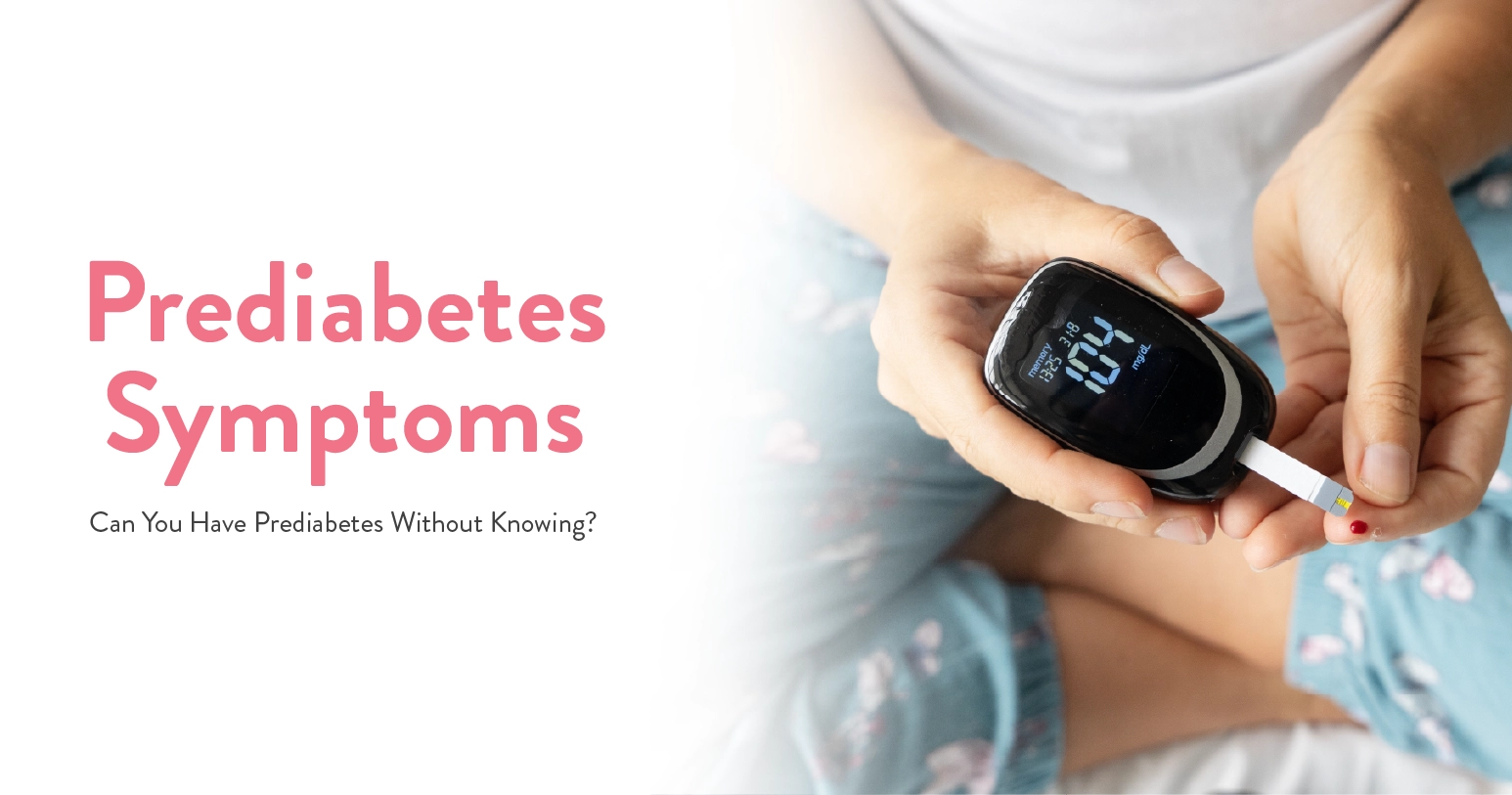
Prediabetes means your blood sugar is higher than normal but not yet high enough to be diagnosed as diabetes. In many people, the body still produces insulin, but the cells in the muscles, liver and fat tissue do not respond to it as effectively. This is called insulin resistance. The pancreas may compensate by producing more insulin to keep blood sugar levels from rising further. Over time, however, it may struggle to keep up.
The main concern is that prediabetes usually has no clear symptoms. Signs such as extreme thirst or frequent urination are more commonly seen with significantly elevated blood sugar levels. This means you cannot rely on how you feel to know whether your blood sugar is high.
In India, an estimated 136 million people had prediabetes in 2021, according to the ICMR-INDIAB study. That’s roughly 1 in 7 adults, and many don’t know it.
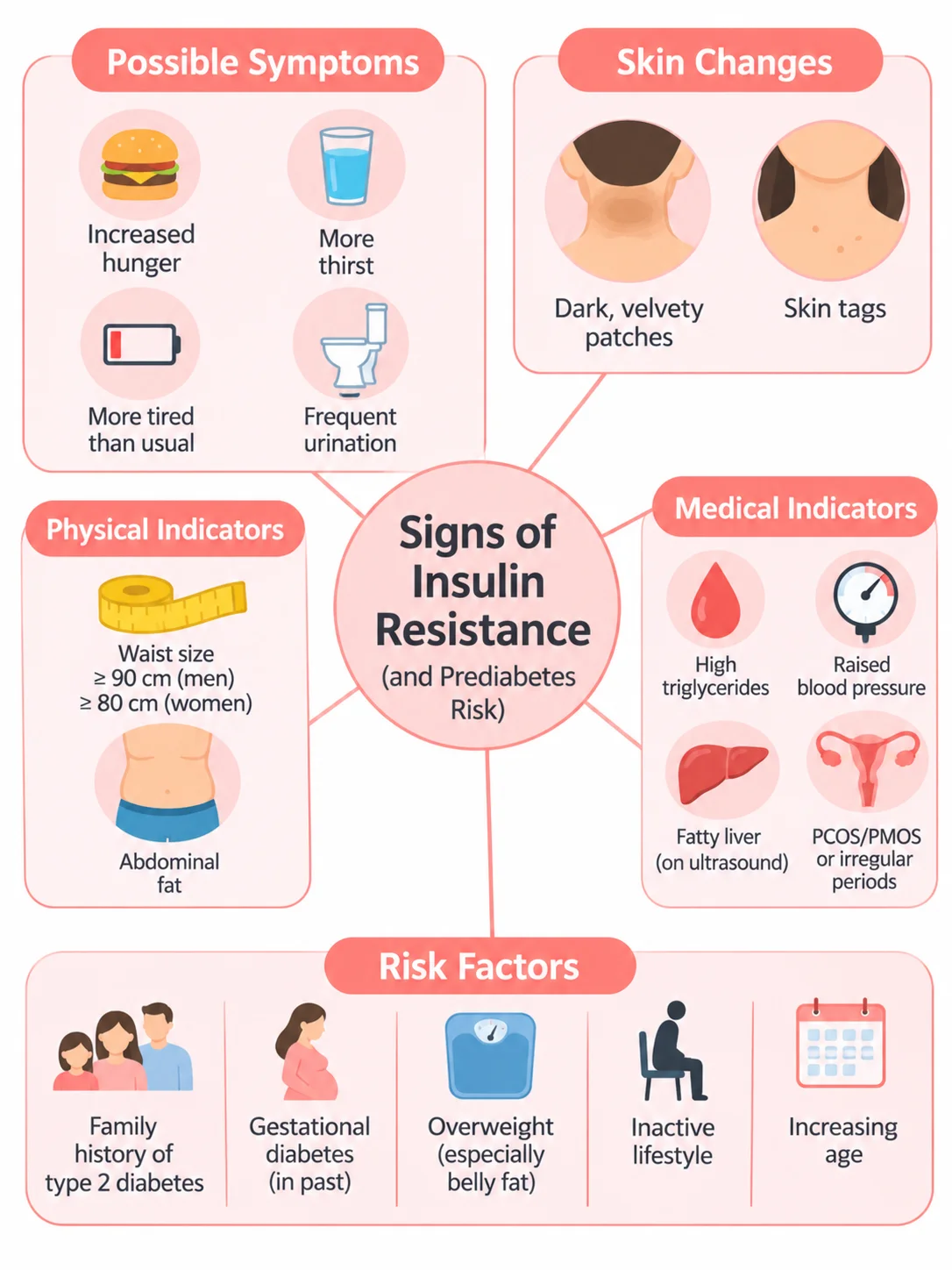
Table of Contents
Many people have no symptoms. When there are signs, they are usually mild:
None of these is specific to prediabetes. Tiredness has dozens of causes, and a dark neck can also be tanning or friction. Treat them as reasons to get tested, not as a diagnosis.
See a doctor promptly if you notice blurred vision, tingling in the feet, slow-healing cuts or unexplained weight loss. These can be signs that blood sugar has already risen into the diabetes range.
Insulin resistance usually comes before prediabetes. Apart from the skin changes mentioned above, other signs and risk factors include:
Many people think prediabetes only affects those who are visibly overweight, but that is not true. You can develop insulin resistance even at a lower body weight because many South Asians tend to store more fat around the belly and internal organs.
Also Read: PMOS and Insulin Resistance: Understanding the Connection
Any one of these three tests can help diagnose prediabetes:
This test reflects your average blood sugar levels over the past 2 to 3 months and does not require fasting.
It requires at least 8 hours of fasting, during which you can drink plain water. Diabetologists usually recommend getting this test done in the morning, before breakfast, so you can complete the required 8 hour fast overnight.
The OGTT involves drinking a glucose solution and being tested two hours later.
Who should get tested? The American Diabetes Association advises testing all adults from age 35, and earlier for anyone who is overweight (for Indians, a BMI of 23 or more) and has another risk factor, such as a family history of diabetes. If your result falls in the prediabetes range, repeat the test at least once a year.
Also Read: Normal Glucose Levels after Eating
| Test | Normal | Prediabetes | Diabetes |
| HbA1c | Below 5.7% | 5.7–6.4% | 6.5% or above |
| Fasting glucose | Below 100 mg/dL | 100–125 mg/dL | 126 mg/dL or above |
| 2-hour glucose (OGTT) | Below 140 mg/dL | 140–199 mg/dL | 200 mg/dL or above |
These ranges follow American Diabetes Association (ADA) criteria, which are also used in India. However, WHO uses 110 mg/dL as the lower cut-off for prediabetes in fasting blood sugar tests. Your doctor may consider this difference when interpreting your results.
Prediabetes is a warning sign, not a definite prediction of diabetes. With changes to your diet, physical activity and weight management, you may be able to bring your blood sugar levels back to normal. Still, it is important to take it seriously because prediabetes is also associated with a higher risk of heart disease and stroke.
Also Read: Complications in Diabetes and How to Avoid Them
In the Diabetes Prevention Program trial, losing at least 7% of body weight and getting 150 minutes of moderate-intensity physical activity each week, such as brisk walking, reduced the incidence of type 2 diabetes by 58%.
In practice, this might look like:
This does not mean you have to give up your favourite foods forever. Extreme crash diets often backfire and are hard to sustain. Nor does it mean medicines are never needed. Some people, particularly those with other risk factors, may be advised by a diabetologist to take certain medicines.
World Diabetes Day: A Timely Reminder
World Diabetes Day falls on 14 November, and this year’s theme, “Early action on diabetes,” focuses on early diagnosis and risk reduction. Prediabetes is where that idea applies most directly. It is the stage when a simple blood test and a few ordinary habit changes can alter the course.
The absence of symptoms is the reason regular testing is important. If you have a family history of diabetes, extra weight around the waist or any signs of insulin resistance, ask for an HbA1c or fasting glucose test. If the result is in the prediabetes range, you have time to act, and that’s the useful part.
If you are unsure about your risk, you can speak with our diabetologist and metabolic physician at the CK Birla Hospital for expert guidance on testing and a plan that fits your routine. You can also book an appointment online.

“How to reduce belly fat” is one of the most searched questions online, and it is easy to see why. A belly pouch is common, and many people feel self-conscious about it. Most start with a home remedy or a diet trend, which is fine. But it helps to know what is causing the fat in the first place, because for some people the answer is their metabolic health. In this blog, we will discuss what belly fat actually is, how it connects to your metabolic health, the mistakes people often make when trying to get rid of it, and what you can do about it.
Belly fat and metabolic health are closely linked. Visceral fat, the deep fat around your organs, can cause insulin resistance, which raises the risk of type 2 diabetes, fatty liver, high blood pressure and heart disease. Measuring your waist is a simple way to spot this risk early.
Table of Contents
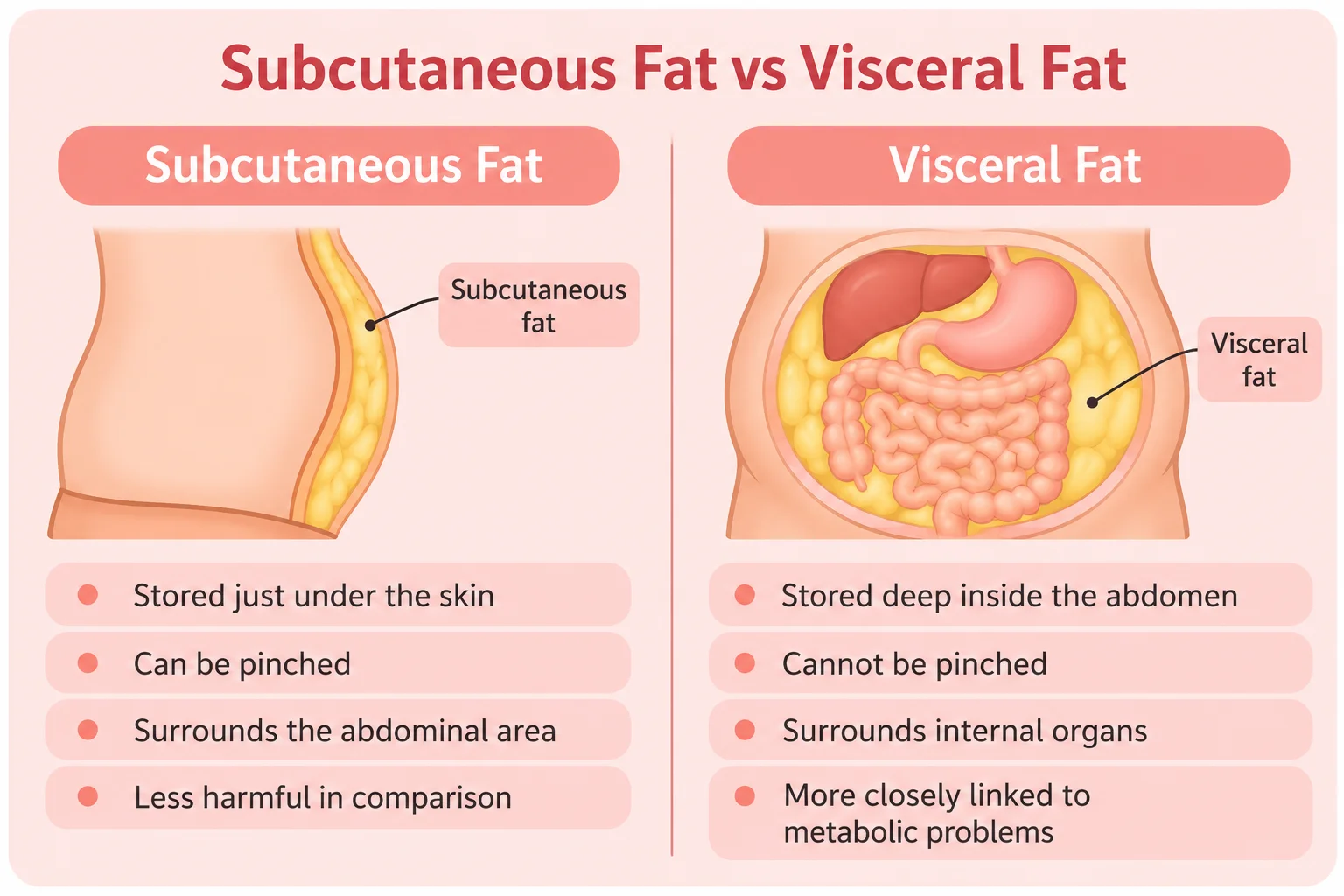
There are two types of fat around your belly. Both contribute to your waistline, but they differ in where they are stored and how they affect your health.
Visceral fat is particularly concerning because it is metabolically active. It releases inflammatory chemicals and fatty acids directly toward the liver. Over time, the body’s cells respond less well to insulin, the hormone that moves sugar from your blood into your cells. This is called insulin resistance, and it is a key driver of many problems like:
When several of these show up together, doctors call it metabolic syndrome. A larger waist is one of its defining features.
Also Read: Body Fat Analysis: What It Tells You
It is a common assumption that belly fat is only seen in people who look overweight. But that is not always the case, especially among South Asians.
According to a study, Indians tend to have a higher proportion of body fat and more abdominal fat at lower BMI levels than many other populations. You may have normal BMI, look slim and still have excess abdominal fat. This is sometimes described as being ‘thin on the outside, fat on the inside’.
This is why your waist measurement is important alongside your body weight. For Asian Indians, a waist circumference of 90 cm (about 35.5 inches) or more in men and 80 cm (about 31.5 inches) or more in women points to an increased risk of metabolic health problems.
Another quick check is your waist-to-height ratio. Divide your waist size by your height, both in centimetres. A result above 0.5 suggests a higher metabolic risk.
| Measure (Asian Indian adults) | Men | Women |
|---|---|---|
| Waist circumference linked to higher risk | 90 cm or more (about 35.5 in) | 80 cm or more (about 31.5 in) |
| Waist-to-height ratio linked to higher risk | Above 0.5 | Above 0.5 |
| BMI: overweight | 23 to 24.9 | 23 to 24.9 |
| BMI: obesity | 25 or more | 25 or more |
To measure it at home, stand up straight and wrap a tape around your waist at the level of your navel. Breathe out normally, don’t suck in, and read the number. Do it in the morning, ideally once a month.
Belly fat can be due to various reasons, and more than one factor is involved.
Some factors are within your control, while others, such as family history, are not. Knowing what puts you at risk can help you take steps early.
Also Read: Easy Ways to Stay Fit and Healthy for Desk Employees
Women with PCOS/PMOS may follow all the standard advice and still find the belly pouch slow to respond. Hormonal changes are part of the reason, and insulin resistance is one of the most common. PMOS (polyendocrine metabolic ovarian syndrome) is the new name for PCOS, agreed by international experts in 2026 to better reflect the condition’s hormonal and metabolic effects.
In PCOS/PMOS, insulin resistance is common, and it can be present even with a normal BMI. When the body responds poorly to insulin, it makes more of it to keep blood sugar in range. Higher insulin levels can:
Other things that can add to it:
More belly fat can then worsen insulin resistance, so the two feed into each other. That’s why the fat can feel slow to shift, even with effort.
Note: Insulin resistance is not present in everyone with the condition, and it is not the only reason for belly fat. Sleep, stress, diet, activity levels and genetics contribute too.
Also Read: PCOD Diet Chart
Many people work hard to lose belly fat but get stuck because of a few common mistakes:
Aim for around 150 minutes of brisk walking a week. That could be 30 minutes, five days a week, or a 10-minute walk after each meal. A short walk after eating may help your body handle blood sugar better. Add two days of strength training, even with body weight (squats, push-ups, resistance bands), since muscle improves how your body uses insulin. Make sure you are doing the workout under professional guidance.
Swapping sugary drinks, packaged juices, and sweetened teas for water or unsweetened options brings a positive change. You can add protein and fibre to meals, such as pulses, paneer, eggs, sprouts, vegetables, and whole grains. A plate where half is vegetables keeps you fuller than one that is mostly rice or roti.
Aim for seven or more hours. Regularly not sleeping enough can raise appetite and cravings, which makes everything else harder.
A daily walk, time outdoors, or even a fixed time to log off from work counts.
It does not mean you need a flat stomach or visible abs to be healthy. Some belly fat is normal, and bodies differ. It also does not mean you must lose a huge amount of weight. Studies consistently show that losing even 5 to 10 percent of body weight can improve blood sugar, blood pressure, and liver health.
If you have obesity or related conditions and lifestyle changes alone are not working, your doctor may discuss medicines. For some people with severe obesity, weight-loss (bariatric) surgery may be an option. These are medical decisions to make with a specialist.
Also Read: High-Fibre Foods You Should Eat
If your waist is above the range, you have a family history of diabetes or heart disease, or you have been gaining weight steadily, consider checking:
Book a consultation sooner if you have increased thirst, frequent urination, constant tiredness, darkened skin around the neck or armpits, or irregular periods along with weight gain.
Also Read: FibroScan Liver Test: What It Shows
Belly fat can be an early sign that your insulin, liver or heart need attention, which is a reason to take it seriously. Check your waist, get the basic tests done, and start with easy lifestyle changes you can keep up. Your doctor can help personalise the plan to your age, health history, and lifestyle.
If you are concerned about your waist size or metabolic health, you can speak with a metabolic health specialist at the CK Birla Hospital to get a personalised evaluation.
Stroke is a medical emergency in which you cannot afford to waste even a single second. Knowing what to look for, and what to do next, can help protect a person’s life, which is exactly what this year’s World Stroke Day theme, ‘Every Minute Counts,’ encourages us to do. In this blog, we will look at how to spot the signs of a stroke and what to do in the first few minutes, so that we can all #ActFAST.
Table of Contents
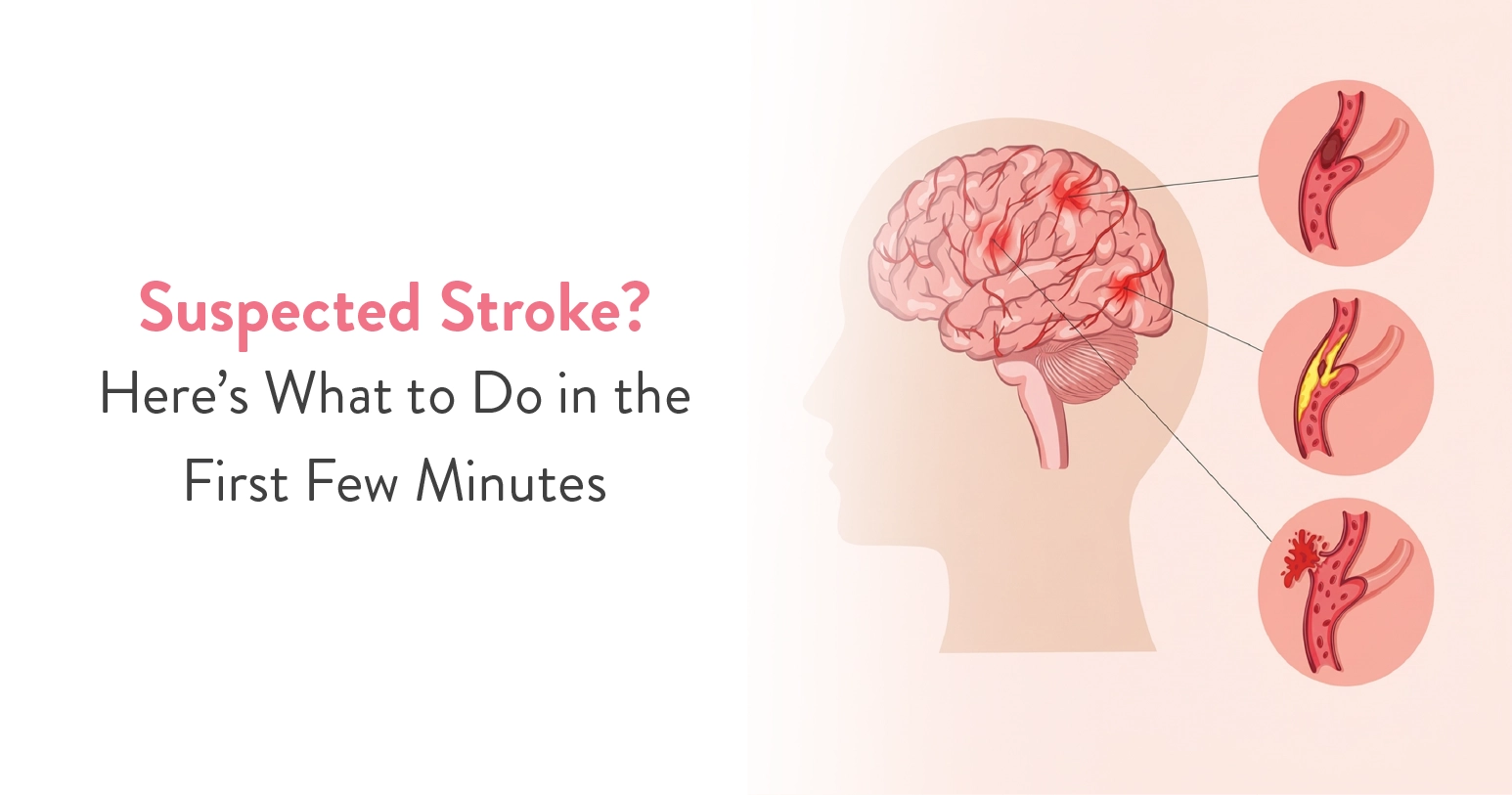
Most strokes are caused by a blood clot blocking an artery that carries blood to the brain. This is called an ischaemic stroke.
In the remaining cases, a blood vessel in the brain bursts and causes bleeding. This is called a haemorrhagic stroke.
Either way, brain cells in that area stop getting oxygen, and they begin to die within minutes.
This is why doctors say ‘time is brain.’ The sooner blood flow is restored or the bleeding is controlled, the more brain tissue can be saved.
Also Read: What is Cholesterol? Type, Normal Range, Diagnosis and Treatment
Many people assume that a stroke will hurt, with a clutching chest and obvious pain. But, a stroke is often painless. That is exactly why it gets dismissed as tiredness, low blood pressure, or poor sleep.
Another common belief is that strokes only affect older people. The risk does rise with age, and strokes are more common after 60. However, they can also occur in people in their 30s and 40s. In younger adults, they are usually due to uncontrolled high blood pressure, diabetes, high cholesterol, smoking, or heart rhythm problems. Long-term stress and poor sleep may also add to the risk.
Also Read: How Sleep Deprivation Affects Your Mental and Neurological Health
You don’t need to be certain it’s a stroke. If something looks off, and it came on suddenly, that’s reason enough to act. Remember the acronym BE FAST.
Also Read: Seizure vs Fainting: How to Tell the Difference
If even one BE-FAST sign is present, act right away. You can follow these steps:
In India, dial 112, or 108 in many states. Don’t wait to see whether the symptom passes. If you’re alone with the person, make the call before anything else.
Try to establish the exact time the symptoms started. This information helps neurologists assess which treatments may be suitable. Do not delay the ambulance call while trying to establish the exact time.
Let them sit or lie down comfortably, with the head slightly raised. If the person is drowsy or vomiting, turn them gently onto their side. Loosen tight clothing.
If they are unconscious but breathing normally, follow the emergency operator’s instructions about positioning. If they are not breathing normally, begin CPR if you can and follow the operator’s instructions.
A list of their medicines (especially blood thinners), any known conditions like diabetes or atrial fibrillation, and a family member who can give the history at the hospital.
This is where well-meaning people go wrong.
Here is a quick summary of what to do and what to avoid:
| Do | Don’t |
| Call an ambulance straight away | Wait to see if the symptoms pass |
| Note when the symptoms started | Give aspirin or any other medicine |
| Turn a drowsy or vomiting person onto their side | Give food, water or tea |
| Loosen tight clothing and stay with them | Try home remedies such as pricking fingers |
| Keep their medicine list ready for the doctors | Drive them yourself if an ambulance can come |
Yes. Although stroke risk increases with age, it can also affect younger adults. Common risk factors of stroke are:
Some people have no evident symptoms or known risk factors before their first stroke. Regular health checks and appropriate management of existing conditions can help reduce risk, but they cannot eliminate it entirely.
Do not dismiss sudden neurological symptoms because the person is young, physically active, or has never experienced a similar problem before.
Also Read: Hypertension: Causes, Symptoms and Associated Risks
At the CK Birla Hospital, our 24×7 emergency care is equipped to respond to stroke emergencies. Our experienced neurologists, neurosurgeons, and multidisciplinary team work together to evaluate and treat patients quickly. If you or someone near you shows any sign of a stroke, call 112 or an ambulance first, and head to the CK Birla Hospital’s emergency department.
For a stroke risk check after a mini-stroke, or follow-up care after a stroke, you can book an appointment with our neurology team.

Checking the weather before heading out is second nature to many of us. But checking the air quality? Not so much.
Every winter, smog takes over many Indian cities. But the bigger concern is what we breathe in. Polluted air can irritate your eyes and throat, trigger coughing and affect your lung health.
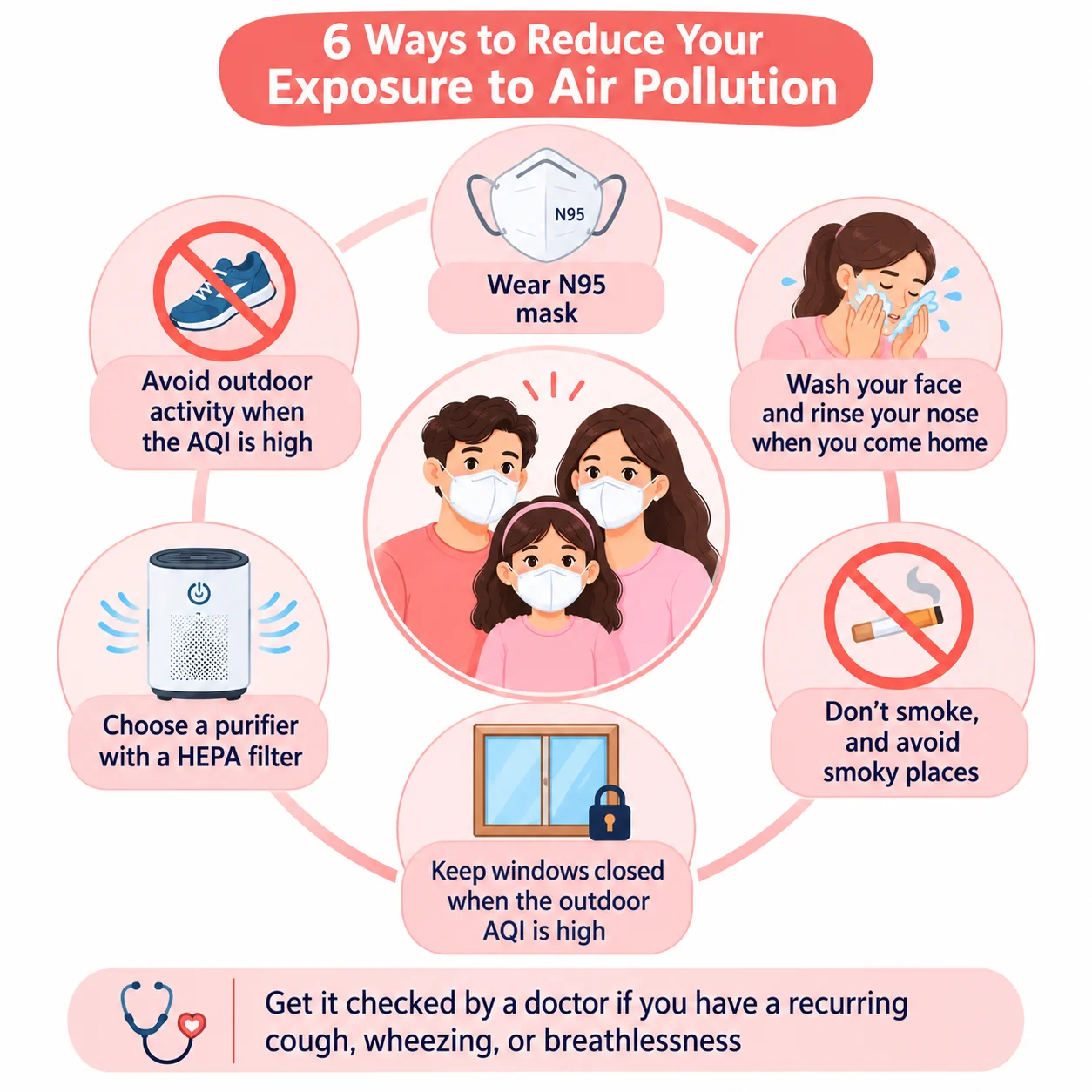
To protect yourself from air pollution, check the AQI every day, move workouts indoors on high-pollution days, wear a well-fitted N95 mask outside and keep indoor air clean with closed windows and a HEPA air purifier.
You can’t always avoid pollution, but a few simple steps can help reduce your exposure. Here is how you can protect yourself and your family.
Table of Contents
The pollutant that raises particular health concerns is PM2.5. These are fine particles measuring 2.5 micrometres or less in diameter, roughly 30 times thinner than a strand of human hair. They can travel deep into your lungs, and some can enter the bloodstream.
Short-term exposure can cause eye irritation, coughing, throat irritation and breathlessness. Long-term exposure is linked to worsening asthma and COPD, as well as a higher risk of heart disease and stroke.
If you can’t see or smell smoke, it does not mean the air is fine. Air can look clear and still contain high levels of PM2.5.
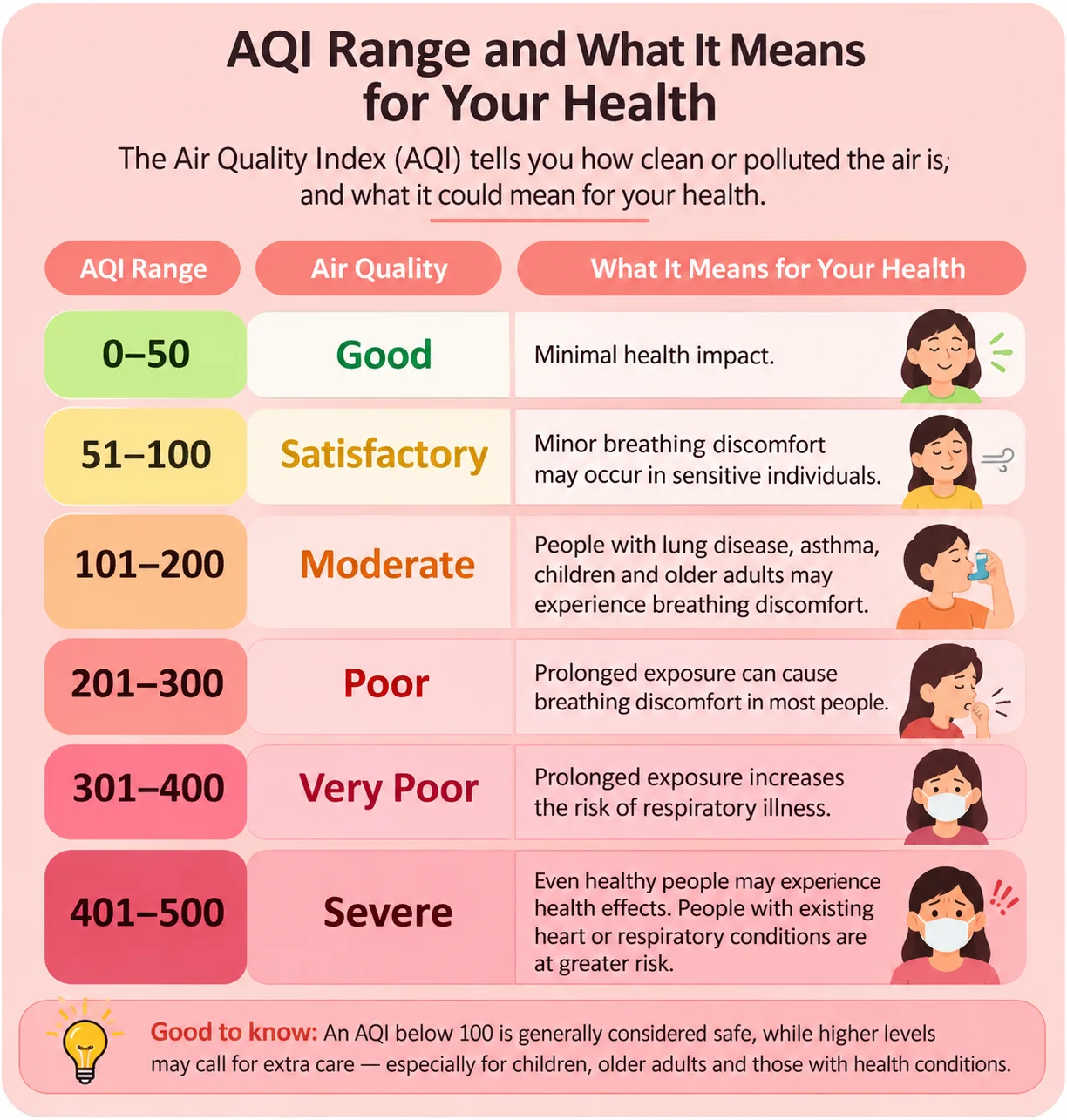
Source: Central Pollution Control Board (CPCB)
Here is what each AQI band means for your health, as defined by the CPCB:
| AQI | Category | Possible health impact |
| 0–50 | Good | Minimal impact |
| 51–100 | Satisfactory | Minor breathing discomfort in sensitive people |
| 101–200 | Moderate | Breathing discomfort for people with lung disease such as asthma, heart disease, children and older adults |
| 201–300 | Poor | Breathing discomfort for most people on prolonged exposure |
| 301–400 | Very poor | Respiratory illness on prolonged exposure |
| 401–500 | Severe | Affects healthy people and seriously affects those with existing disease |
Also Read: Impact of Air Pollution on Your Health: What You Need to Know
Early morning is usually the best time to exercise, but not when AQI warnings are in effect.
Pollution levels can vary throughout the day, and colder weather can sometimes trap pollutants close to the ground. So, check your local AQI before heading outdoors.
On days with poor to severe air quality (AQI above 200), avoid outdoor exercise, especially running, jogging or brisk walking. Try an indoor workout instead, preferably in a space with clean air.
You don’t have to skip exercise altogether. Regular physical activity is important for your health. Just change where and when you exercise to avoid breathing in too much polluted air.
Also Read: Deep Breathing Exercises for Lungs and Increasing Lungs Capacity
A cloth or surgical mask won’t do much against PM2.5. Those particles are too fine for them to block.
A well-fitting N95 or FFP2 respirator can filter out these tiny particles. But it should perfectly fit. If there are gaps around your nose or cheeks, polluted air can enter without being filtered.
Keep in mind to wear your mask over both your nose and mouth, and make sure it fits snugly.
If you have a heart or lung condition and find it difficult to breathe comfortably while wearing an N95, speak to your doctor.
N95 masks are designed for adults and are hard to fit on young children. For children, focus on limiting time outdoors on poor-air days and keeping indoor air clean, and ask your paediatrician whether a child-sized mask is suitable.
You can’t control the city, but you can improve the room where you sleep.
Purifiers reduce pollution indoors. They don’t remove it entirely, and they don’t undo hours spent in smog outdoors.
Some people feel the effects sooner and more severely:
If this is you or someone you look after, keep prescribed inhalers and medicines on hand and don’t skip doses. Check the AQI before planning outdoor activity, and make sure your doctor has given you an action plan for flare-ups.
Also Read: Asthma in Children: Recognizing Symptoms & Providing Treatment
Avoid self-medicating or taking supplements for lung detox. There is no strong scientific evidence that these products can flush out inhaled pollutants or protect you from their effects. If you have breathing problems or other symptoms, speak to your doctor instead of relying on these products.
Also Read: Tips to Strengthen Lungs & Increase the Oxygen Levels at Home
A mild cough or sore throat during a bad-air week is common. See a doctor if you notice:
Chest pain, severe breathlessness, bluish lips, or confusion need emergency care straight away.
You can’t opt out of the air, but you can reduce how much of it reaches your lungs. Check the AQI, adjust your outdoor timings, keep your bedroom air as clean as you can, and use a well-fitted N95 mask. Pay closer attention if you or someone at home has a heart or lung condition.
If symptoms like a persistent cough, wheezing, or breathlessness keep coming back, or you are unsure whether it is more than seasonal irritation, consider a checkup with a pulmonologist at the CK Birla Hospital. They can help find the cause and guide you on managing it. You can book an appointment online.

Did you know, there are multiple overlapping symptoms of various medical conditions that often go unnoticed. A persistent cough, unexplained fatigue, shortness of breath or swollen lymph nodes can be caused by several conditions. These are symptoms common to Lymphoma, TB and Sarcoidosis.
This disease is not limited to the lungs, and can manifest in various parts. A big contributing factor to this disease is inflammation. Therefore understanding sarcoidosis, its diagnosis and treatment requires recognising the signs and seeking medical advice at the right time.
Table of Contents
Sarcoidosis is an inflammatory condition in which tiny clusters of immune cells, called granulomas, form in one or more organs. These clusters develop when the immune system triggers an inflammatory response that doesn’t settle as it normally should.
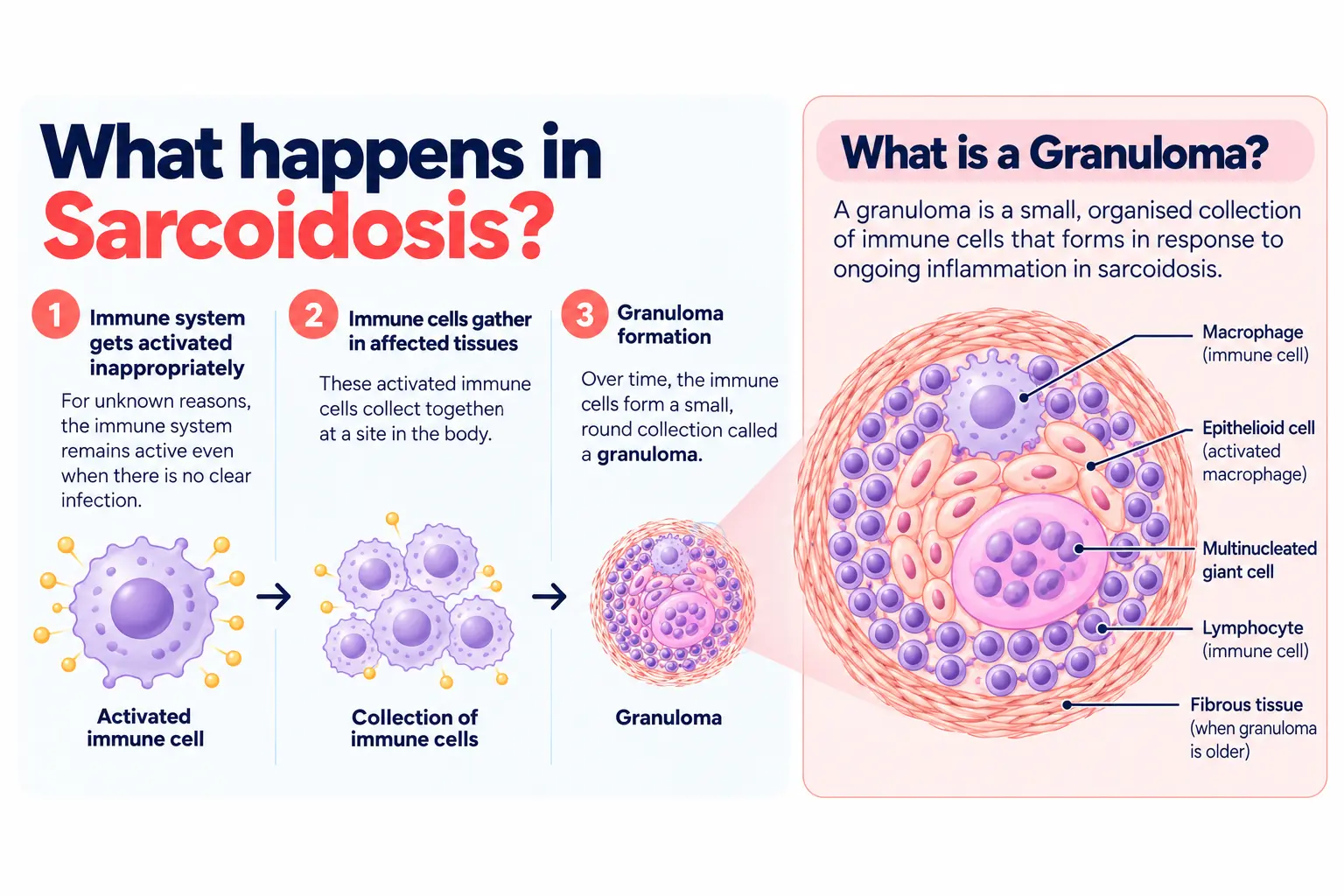
In a majority of pulmonary conditions, lungs and lymph nodes in the chest are commonly affected regions. In case of sarcoidosis, skin, eyes, heart, nervous system and other organs may also be involved.
Some people have no surface level symptoms, and the condition is often discovered accidentally during a chest X-ray or CT scan. However, some patients exhibit a persistent cough, breathlessness, fatigue or symptoms directly linked to the affected organ.
One important thing to know is that sarcoidosis is not contagious. It cannot be passed from one person to another.
Genetic aspect: Some studies suggest it may develop when genetic susceptibility, and an abnormal immune response interact. Some specific genetic variations have been linked to sarcoidosis, but it does not necessarily mean those who have it are bound to get this disease.
Environmental aspects: Possible triggers being studied include dust, mould, certain chemicals and some infections. Although the spectrum is still wide since a single substance or organism has not been linked to the cause.
While the source remains debatable, it ultimately ends up causing inflammation and granuloma formation. And is not transmitted from someone else.
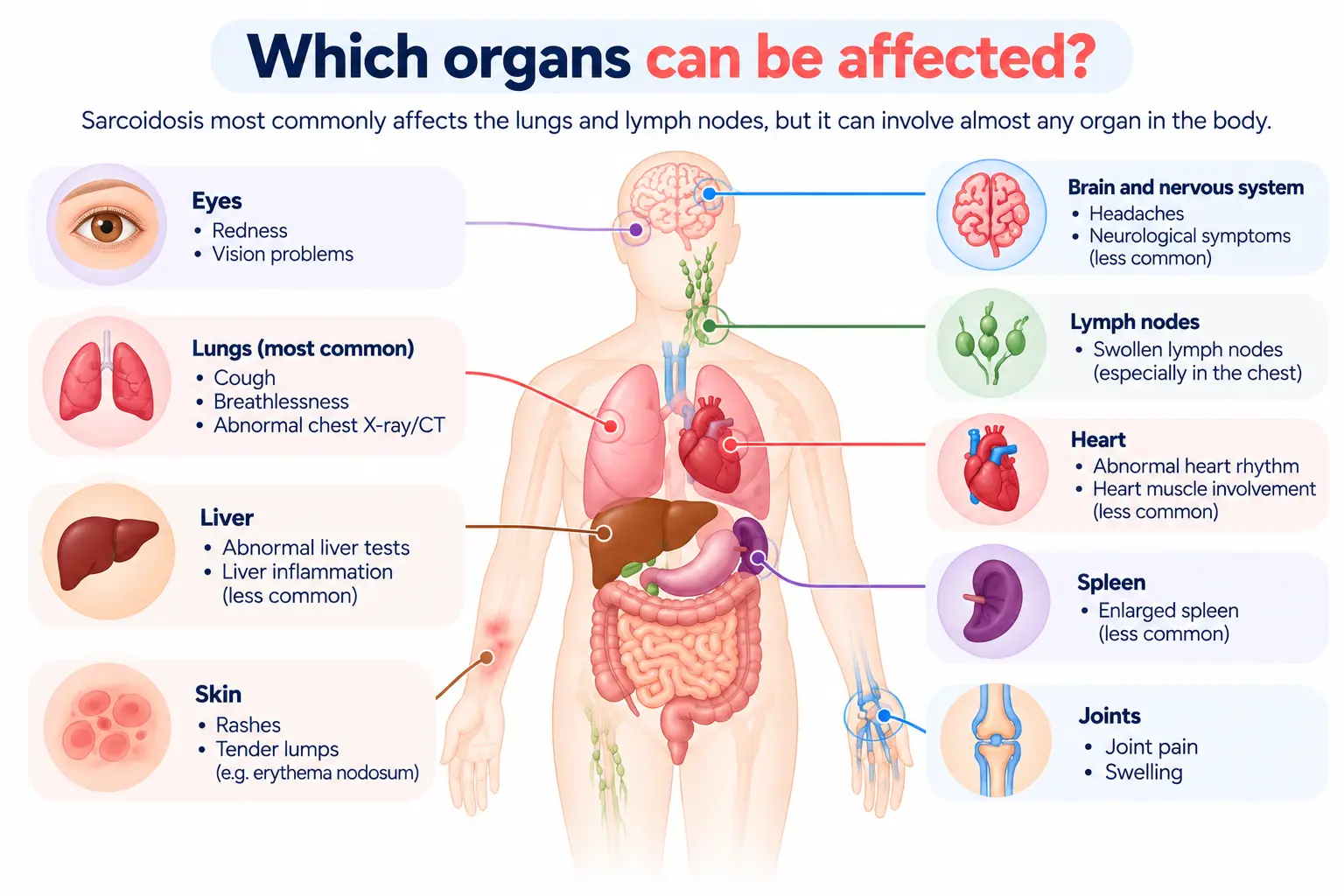
Sarcoidosis doesn’t look the same in everyone. Symptoms depend on which organs are affected. Commonly the symptoms may include:
The lungs are the most commonly affected organs, making pulmonary sarcoidosis one of the main forms of the condition. Symptoms may include:
Persistent dry cough: A cough that continues without an obvious cause can be an early sign.
Shortness of breath: Breathlessness may first become noticeable during exercise or other physical activity. In some people, it can worsen as lung involvement progresses.
Chest discomfort: Some people experience chest pain or discomfort, although this is less common than cough and breathlessness.
Not everyone develops respiratory symptoms. In some cases, an unrelated chest X-ray or CT scan may reveal the condition.
Yes. Although the pulmonary organs and lymph nodes are most commonly affected, sarcoidosis can involve several other organs, making it difficult to pin down in one go. Some of the other forms of sarcoidosis include:
Due to its overlapping symptoms a clear diagnosis requires a combination of investigative procedures. Upon reviewing the patient’s symptoms, medical history, physical examination and test results, specialists first rule out other conditions that can cause similar inflammation, particularly tuberculosis and certain fungal infections.
Depending on the suspected organ involvement, investigations may include:
However, finding granulomas doesn’t automatically confirm sarcoidosis. Doctors must consider these possibilities before confirming the diagnosis.
Pulmonary sarcoidosis is often described using four radiographic stages, based on what doctors see on a chest X-ray.
Stage I: Enlarged lymph nodes in both hilar regions, where the main airways and blood vessels enter the lungs, without visible lung tissue abnormalities.
Stage II: Enlarged hilar lymph nodes along with abnormalities in the lung tissue.
Stage III: Abnormalities in the lung tissue without the characteristic hilar lymph node enlargement.
Stage IV: Pulmonary fibrosis, or permanent scarring of the lung tissue.
These stages describe the appearance of the lungs on imaging. They don’t necessarily indicate how severe a person’s symptoms will be or predict exactly how the disease will progress.
Not everyone diagnosed with sarcoidosis needs medication.
The decision depends on the individual’s symptoms, the organs involved and whether the condition is progressing. Regular follow-up helps doctors identify changes and decide when treatment may be necessary.
When treatment is needed, a four step approach is the ideal way forward:
For the first two the usual course of action is
Further, monitoring and follow up will reveal the next step, which includes:
Yes. Many people with sarcoidosis improve or enter remission without needing long-term systemic treatment. However, the condition doesn’t follow the same course in everyone.
Some people recover completely, while others experience recurring inflammation or develop chronic disease that can gradually damage affected organs.
Persistent follow-up is crucial even when symptoms improve or disappear. Depending on the person’s condition, monitoring may include chest imaging, lung function tests, blood tests, an ECG and assessments of other affected organs. Regular reviews help doctors identify changes early and adjust treatment when necessary.
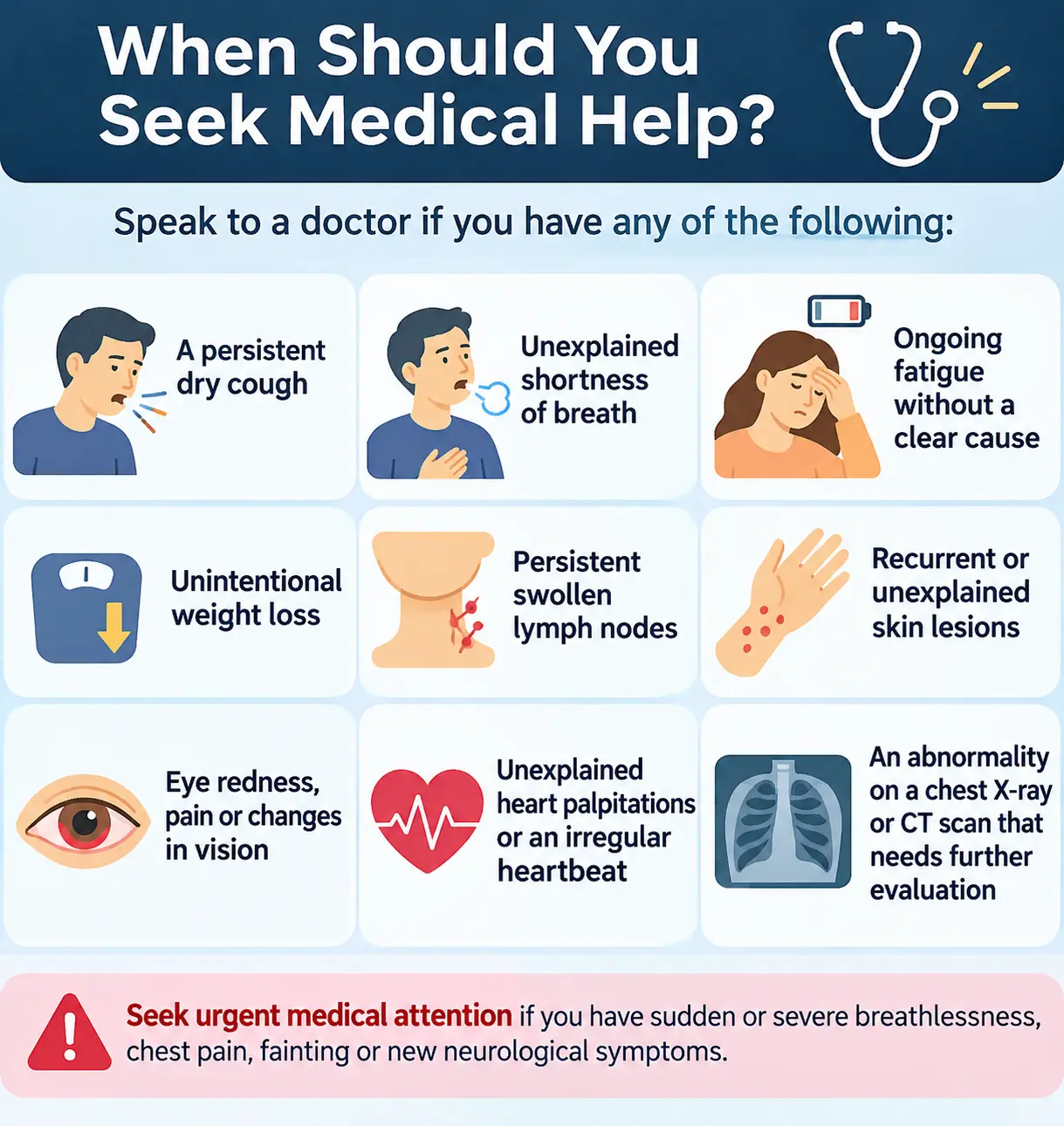
A persistent cough or unexplained breathlessness can have many causes, including allergies, respiratory infections and other lung conditions. If these symptoms continue, it’s worth getting them assessed rather than assuming they will go away on their own.
Speak to a doctor if you experience: Sudden or severe breathlessness, chest pain, fainting or new neurological symptoms warrant urgent medical attention.
Since sarcoidosis can resemble several other inflammatory and respiratory conditions, an appropriate evaluation is important to establish the cause of your symptoms and determine whether treatment is needed.
Sarcoidosis is an inflammatory condition in which clusters of immune cells called granulomas develop in one or more organs. The lungs and lymph nodes in the chest are most commonly affected, but the condition can also involve the skin, eyes, heart and nervous system.
Symptoms range from none at all to persistent cough, breathlessness, fatigue and problems affecting other organs. Diagnosis usually involves a combination of clinical assessment, imaging and other investigations, sometimes including a biopsy.
Treatment depends on the organs involved, the severity of the condition and whether it is progressing. Some people need only regular monitoring, while others may require corticosteroids or other medicines that modify the immune response.
The encouraging news is that many people improve or go into remission. For those with persistent or more serious disease, appropriate treatment and follow-up can help control inflammation and protect organ function.
If you’ve been experiencing persistent respiratory symptoms or have an unexplained abnormality on a chest scan, the first step is to find out what’s causing it. An accurate diagnosis can help you and your doctor decide on the most appropriate course of action.
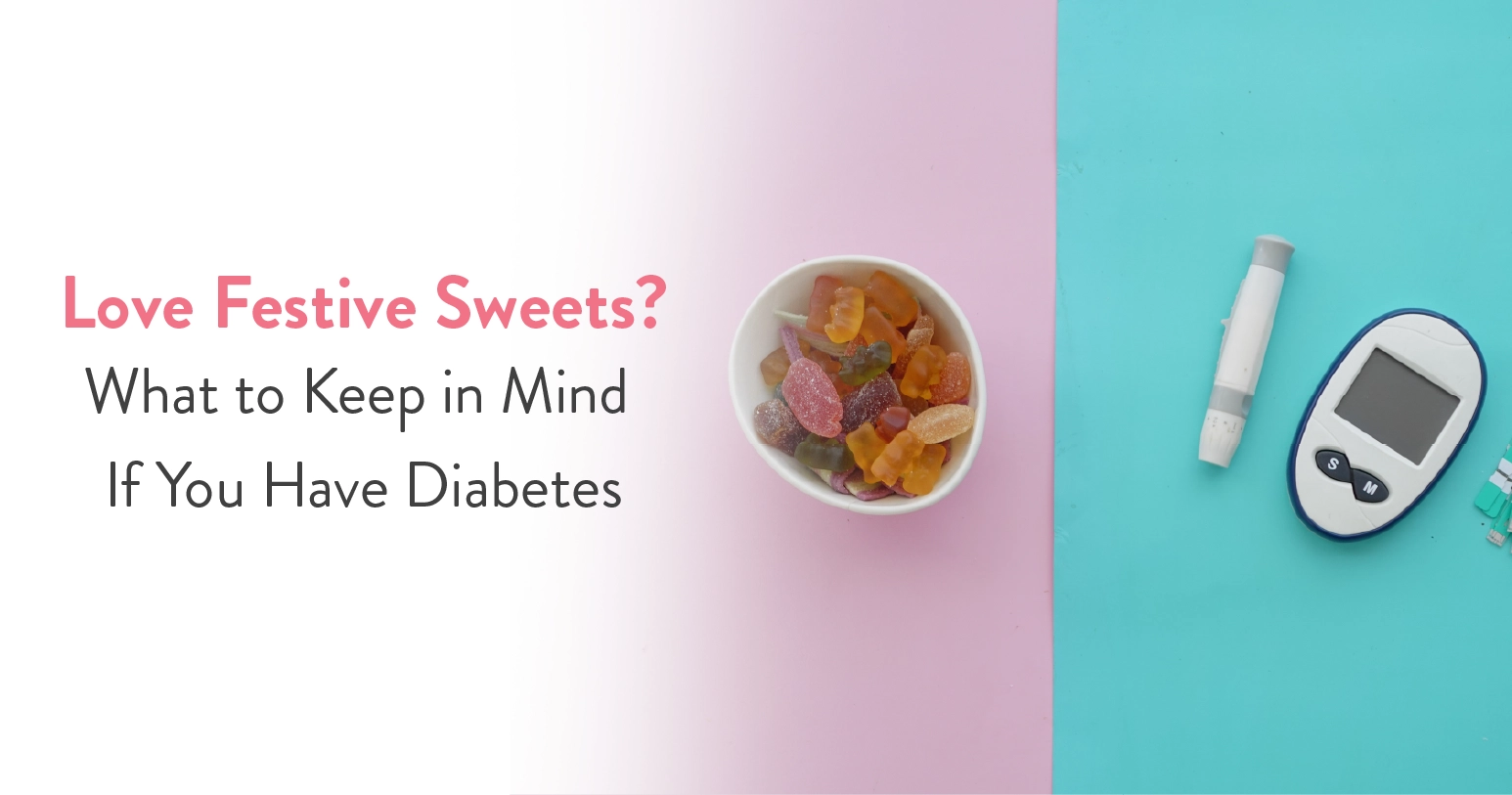
From Diwali to Christmas and family weddings, the festive season brings sweet boxes from everywhere. Even when you know that sweets can raise your blood sugar, saying no to your favourite treats can be difficult.
So, how can you enjoy the festivities while keeping your blood sugar in check? Here’s what to keep in mind.
When it comes to festive sweets and diabetes, you rarely need to give up sweets completely. Many people with diabetes can enjoy a small, planned portion, ideally with a balanced meal, while staying active, taking their medicines as prescribed and checking their blood sugar as advised.
Table of Contents
When you eat sweets, your body breaks down their carbohydrates into glucose, which enters your bloodstream. Insulin, a hormone produced by the pancreas, helps glucose move into your cells for energy.
In diabetes, the body either does not produce enough insulin or cannot use it effectively. This causes glucose to build up in the blood, raising blood sugar levels.
How much your blood sugar rises depends on the portion you eat, the rest of your meal, physical activity, medication and how well your diabetes is managed. That’s why the same sweet can affect different people differently.
One piece of a sweet won’t undo your sugar control. Diabetes management depends on patterns over weeks and months, not on one sweet.
Festive season makes that pattern easy to miss because sweets keep coming up from every direction: friends, family and the office. The right amount also differs from person to person. If your blood sugar is already running high, or you have any health complications, even a small piece needs more thought. Your doctor or diabetes educator can tell you how much you should eat.
Also Read: Diabetic Kidney Disease: Causes, Symptoms and Treatment
The following small changes may help you enjoy sweet dishes without losing track of your sugar levels:
A festive spread can include a variety of sweet dishes. Instead of trying every variety, pick the one you enjoy most and serve yourself a planned portion. Eat slowly instead of reaching for another piece.
Skipping meals so you can enjoy sweets later can leave you very hungry after a while. You may end up eating more than you intended. Sweets on an empty stomach can push glucose up faster. And if you take insulin or certain tablets (such as sulfonylureas), a skipped meal can cause your sugar to drop too low. So, have your usual balanced meals and enjoy a small portion of sweets alongside them.
Sweets, sweetened tea, soft drinks and fruit juice can add carbohydrates to the same occasion. If you choose to eat a sweet dish, have water or an unsweetened drink instead. This helps avoid adding unnecessary sugar from beverages.
Include vegetables, protein-rich foods and appropriate portions of roti or rice. If you plan to eat dessert, account for it in your overall carbohydrate intake rather than adding it on top of an already carbohydrate-heavy meal.
A short walk after a meal may help your body manage blood glucose. Even a 10-minute walk can be a practical starting point. Also, try to include some basic exercise in your daily routine to stay active.
| Not Have | Have |
|---|---|
| A piece of every sweet on the plate | One small piece of your favourite |
| Sweets on an empty stomach | A small portion with or after a balanced meal |
| Sweetened chai, soft drinks or juice with sweets | Water, unsweetened tea or plain buttermilk (chaas) |
| A large bowl of fried namkeen | A small portion of roasted chana, makhana or nuts |
| Several “sugar-free” sweets | One small portion, after checking the label |
| Treating jaggery or honey sweets as “safe” | Counting them like any other sweet |
| Sitting down right after a big meal | A gentle 10–15 minute walk |
Also Read: High-Fibre Foods You Should Eat
Yes, a blood sugar reading shows how your own body responds to a particular sweet.
If your doctor has recommended regular monitoring, follow the schedule they have advised. Some people are advised to check their levels about two hours after a meal, but the right timing depends on their treatment and monitoring plan.
If your readings are repeatedly higher than your target after eating sweets, share them with your doctor or dietitian. They can help you decide whether your portions, meal plan or treatment needs a review.
One important thing: Don’t change your medication to compensate for eating more than usual. Take it as prescribed, and speak to your doctor before adjusting your dose.
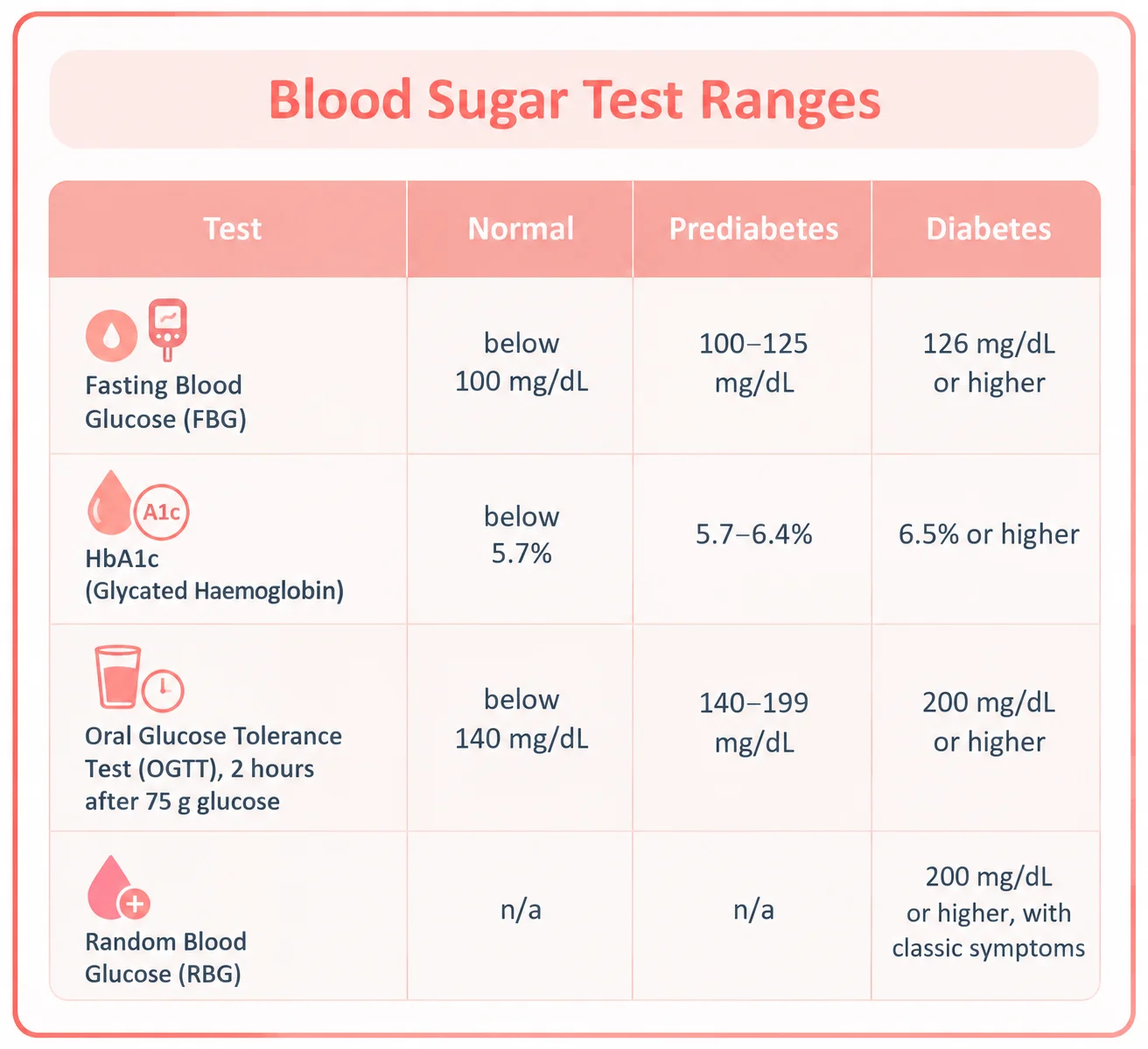
These ranges are for non-pregnant adults only. Reference ranges can also differ between labs and guidelines, so always compare your result with the range printed on your own lab report and ask your doctor to interpret it.
These ranges are used to diagnose diabetes. If you already have diabetes, your doctor will set personal targets for you. For many non-pregnant adults, these are 80–130 mg/dL before meals, below 180 mg/dL one to two hours after starting a meal, and an HbA1c below 7%. An HbA1c test is usually repeated every three to six months.
Also Read: Tips to Control Sugar Level During Pregnancy
Sugar-free sweets may seem like a healthier alternative to regular sweets, especially for people with diabetes. However, sugar free does not always mean blood sugar-friendly or low in calories.
These sweets may contain artificial sweeteners or sugar alcohols. Some sugar alcohols can cause bloating or loose stools if you eat a lot of them. It is also important to check the other ingredients. Sugar-free sweets may contain refined flour, fats or other carbohydrates that affect blood glucose levels.
When you buy a packaged sweet, read the labels and check the total carbohydrate per serving, serving size, added sugars, calories and saturated fat.
Enjoying small portions occasionally and monitoring your blood glucose response can help you make informed choices. If you want to try homemade versions, a dietitian or diabetes educator can suggest recipes that fit your meal plan and treatment.
Jaggery, honey and dates are often seen as healthier swaps, but they still raise blood sugar in much the same way as regular sugar. A box marked “no added sugar” may still be sweetened with them, so treat these sweets like any other sweet and keep the portion small.
Festive food is part of how families celebrate, reconnect and share traditions. To manage your health while enjoying festive food, take a few simple steps. Try to eat regular meals, be mindful of portions, stay active when you can and continue your prescribed treatment. If you are unsure how to fit sweets into your diet, a healthcare professional can help you plan around the foods you enjoy.
At the CK Birla Hospital, our diabetes and metabolic specialists work alongside qualified dietitians and nutritionists to build a plan around your routine, including festive days. You can bring your recent medical reports and a list of your medicines, and talk through what a sensible portion looks like for you. Simply call us to book a consultation.
Also Read: Winter Superfoods: What to Eat
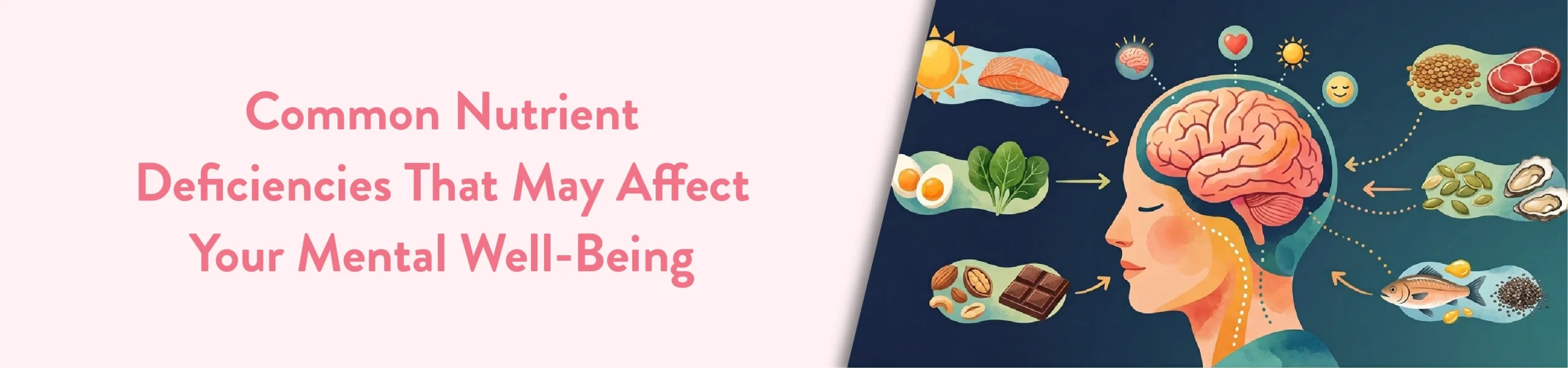
Nutrient deficiencies and mental health are closely linked. Low levels of iron, vitamin B12, vitamin D, folate, magnesium or omega-3 fatty acids may contribute to tiredness, poor focus, irritability and low mood. A deficiency is rarely the only cause of how you feel, but it is common, simple to test for and usually treatable.
Many people who constantly feel low or mentally foggy assume the problem lies in their mindset, their motivation, or their mental health. Others worry it is linked to a chronic illness. Sometimes that’s the case, but not always.
Your body may be low on a few basic nutrients, and that can affect both your mental and physical health. Tiredness, poor focus, irritability, and low mood are some of the ways it shows up.
Let’s look at which nutrient deficiencies are most commonly linked to this, and how to tell if one might be affecting you.
Table of Contents
Our brain is a physical organ that builds mood-regulating chemicals like serotonin and dopamine from raw materials in your diet, and it needs a steady supply of oxygen and energy to work well.
This does not mean a deficiency is the only cause of depression or anxiety. Genetics, stress, sleep, and life events all play a part. A nutrient gap is one possible contributor, and one of the easier ones to test for.
Also Read: Mental Health: Signs and Factors Affecting It
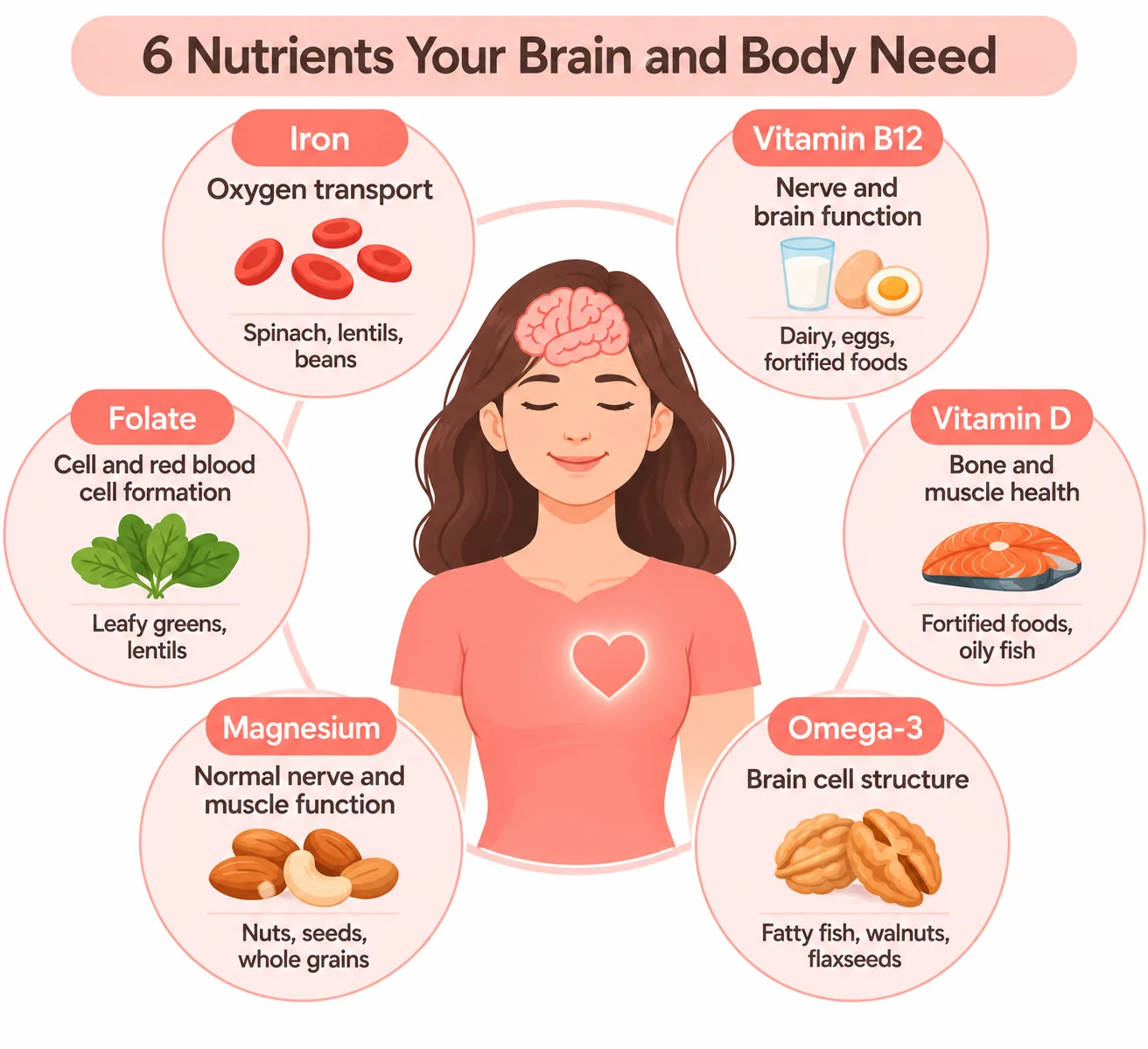
The nutrients most often linked to tiredness, poor focus and low mood are iron, vitamin B12, vitamin D, folate, magnesium and omega-3 fatty acids. Here is how each one may affect you.
Iron helps your red blood cells carry oxygen to your brain and other parts of your body. When iron levels drop, you may feel exhausted, breathless or find it harder to concentrate. Women with heavy periods, pregnant women, teenagers and vegetarians are more likely to develop iron deficiency.
Also note that you can have low iron stores before you become anaemic. Your haemoglobin levels might still be within the normal range while ferritin (a protein that reflects your body’s stored iron) is already low. That is why checking haemoglobin alone may not be enough to identify iron deficiency.
What should you do?
If you experience constant fatigue, breathlessness or difficulty concentrating, speak to your internal medicine doctor about whether you need a complete blood count (CBC) and ferritin test. If iron deficiency is confirmed, your doctor can recommend dietary changes or iron supplements, depending on how low your levels are and what is causing the deficiency. Do not take iron supplements without medical advice.
Also Read: Iron-Rich Foods to Add to Your Diet
Ever had days when you feel unusually tired, struggle to concentrate or keep forgetting little things? Sometimes, low vitamin B12 levels could be one reason.
Vitamin B12 helps keep your nerves healthy and supports brain function. A deficiency can cause fatigue, forgetfulness, poor concentration, low mood and tingling in your hands or feet. People who follow a vegetarian or vegan diet and don’t eat enough dairy, eggs or B12-fortified foods are at higher risk. Older adults and people taking certain medicines for a long time (such as metformin for diabetes or acid-reducing tablets) are also more likely to develop a deficiency.
B12 deficiency can develop gradually over several years, so its symptoms may go unnoticed or be mistaken for stress, ageing or everyday tiredness. A simple serum vitamin B12 blood test can help confirm it.
Despite plenty of sunshine, vitamin D deficiency is very common in India, especially among people who work indoors, cover most of their skin outdoors, or have darker skin. Low levels have been associated with low mood, body aches, and tiredness. A 25-hydroxy vitamin D blood test shows your level. Treating a confirmed deficiency is important, but taking extra vitamin D when your levels are normal is unlikely to improve your health.
Also Read: Osteomalacia: Causes, Symptoms and Treatment
Folate is another B vitamin your body needs to function well. It works alongside vitamin B12 and helps your body make healthy red blood cells and chemicals involved in brain function. Low levels can contribute to fatigue, irritability and poor concentration. Leafy greens, lentils and beans are good food sources. If you are pregnant or planning a pregnancy, your doctor may also advise a folic acid supplement.
Magnesium helps regulate the nervous system and stress response. Low levels may contribute to restlessness, poor sleep, muscle cramps, and a feeling of being “wired but tired.” Blood tests don’t always reflect your true magnesium status, so doctors often rely on symptoms, diet, and medical history together. Nuts, seeds, whole grains and leafy greens are good food sources.
Your brain needs healthy fats to function well, and omega-3s are an important part of this. They are found in foods such as fatty fish, walnuts and flaxseeds. Low dietary intake has been connected with low mood, but the benefits of omega-3 supplements for mental health are still being studied.
| Nutrient | Signs that may show up | Test your doctor may suggest | Good food sources |
|---|---|---|---|
| Iron | Tiredness, breathlessness, poor focus, pale skin | CBC and serum ferritin | Leafy greens, lentils, beans, meat, fish |
| Vitamin B12 | Fatigue, forgetfulness, low mood, tingling in hands or feet | Serum vitamin B12 (sometimes with other markers) | Dairy, eggs, fish, meat, fortified foods |
| Vitamin D | Low mood, body aches, tiredness | 25-hydroxy vitamin D | Sunlight on skin, oily fish, egg yolk, fortified foods |
| Folate (B9) | Fatigue, irritability, poor concentration | Serum folate (often with B12) | Leafy greens, lentils, beans |
| Magnesium | Restlessness, poor sleep, muscle cramps | Serum magnesium, plus a review of symptoms and diet | Nuts, seeds, whole grains, leafy greens |
| Omega-3 | Low intake linked with low mood | No routine test; your doctor reviews your diet | Fatty fish, walnuts, flaxseeds |
Other nutrients, such as zinc and vitamin B6, are also being studied for their role in mood, but the evidence is still limited.
Also Read: Flax Seeds: Uses, Benefits and Side Effects
The safest way to correct a deficiency is to test first and take supplements only on medical advice. Watch out for these common mistakes.
Self-prescribing supplements: Excess intake of vitamin B6, iron or vitamin D can harm your health.
Feeling low or tired is not always due to a nutrient deficiency. But if you are eating well and still not feeling right, get it checked by a doctor, as absorption issues, pregnancy, or certain medicines can affect your levels.
Also Read: Tips for Good Mental Health
Anyone can become low on a nutrient, but you may be at higher risk if you:
Also Read: How to Reduce Mental Stress
If you have been feeling tired, foggy, or low for more than two weeks, it is time to get checked. The same goes if you are also noticing hair fall, tingling in your hands or feet, pale skin, frequent illness, or unusual cramps.
A general physician or internal medicine doctor can start with a few basic tests and, if needed, refer you to a specialist or mental health professional.
At the CK Birla Hospital, our doctors look at both your physical and emotional health, so you don’t have to figure it out alone. Call us to book a consultation.

Slurred speech means words come out mumbled, slow or unclear, even though the person knows what they want to say. The causes range from low blood sugar to stroke. What separates the harmless from the dangerous is mostly timing. In this blog, we will discuss what causes slurred speech, how to spot the signs that need emergency care, and what happens once you reach a doctor.
Table of Contents
Speaking feels automatic, but it is a chain of events. Our brain decides what to say, plans the movements needed to speak and sends signals through the nerves. The lips, tongue, jaw, throat and breathing muscles then work together to produce speech. The cerebellum, at the back of the brain, helps keep these movements coordinated and their timing smooth.
If any link in that chain weakens or loses coordination, words may come out slurred or unclear. The person usually knows exactly what they want to say; their speech muscles just are not cooperating.
This is different from aphasia, where the problem is with language itself. Someone with aphasia may struggle to find the right words, mix them up, or have difficulty understanding what’s being said. Aphasia can also affect reading and writing. A stroke can cause either condition, or both.
A lot of different things can interfere with how the brain controls speech.
Blood flow problems
A stroke, or a TIA (a mini-stroke that passes within minutes to hours), cuts off blood supply to part of the brain. Slurred speech is one of the most common first signs, and it usually comes on suddenly.
Brain and nerve conditions
Parkinson’s disease, multiple sclerosis, motor neurone disease, brain tumours, cerebral palsy and head injuries can all affect the signals that control speech. In most of these, the slurring builds up gradually, though a head injury can cause it right away.
Low blood sugar and body chemistry
The brain runs on a steady supply of glucose, salts and fluids. When blood sugar drops very low, or when someone is badly dehydrated or has an electrolyte imbalance, speech can turn thick and slow. It often comes with shakiness, sweating or confusion.
Medicines and alcohol
Sedatives, some anti-seizure drugs and muscle relaxants can slow the muscles of speech, and so can alcohol. If the slurring began after a new medicine or a dose change, mention it to your doctor. Please don’t stop the medicine on your own.
Other triggers
Migraine with aura and seizures can cause temporary slurring. Extreme exhaustion can too, and so can something as ordinary as new dentures or a painful mouth.
Context often points to the cause. A diabetic person who skipped lunch and is sweaty and shaky points one way. A new anti-seizure tablet points to another. But several of these causes look the same, including the serious ones, so it is important to get it medically checked when the slurring is sudden.
We have all seen how speech can become unclear after someone has had too much alcohol. But slurred speech is not always related to alcohol. If it starts suddenly, especially alongside a drooping face, weakness in an arm or difficulty speaking, it could be a stroke.
A stroke happens when blood supply to part of the brain is blocked or a vessel bleeds, so it tends to come on suddenly and often affects one side of the body.
Low blood sugar, migraine and seizures can all cause symptoms that mimic a stroke. That is why trying to work out the cause at home is not the right approach.
One common mistake is waiting to see if the symptoms pass. If they disappear within minutes, it can feel like a false alarm. But this could be a transient ischaemic attack (TIA), sometimes called a mini-stroke. It causes temporary stroke-like symptoms and is an important warning sign that a full stroke could follow, particularly in the hours and days ahead.
Even if the symptoms disappear completely, the person still needs urgent medical assessment.
It can sound like:
Treat it as an emergency if it starts suddenly, especially with any of the symptoms above. Many doctors use BE-FAST:
Call 112 or emergency ambulance service. Note the time symptoms began, because it helps doctors decide which treatments are possible. Don’t give food, water or unprescribed medicines unless a doctor says so.
Slurred speech after a head injury, or alongside chest pain, breathing difficulty or collapse, is also an emergency.
This does not mean every slurred word needs an emergency visit. If your speech has slowly become harder to understand over weeks or months, book an appointment with a doctor or neurologist soon.
The doctor will ask when it began, what else you have noticed, and which medicines you take. A blood sugar check is often done right away.
Next comes a neurological exam (face, limbs, reflexes, balance), a CT or MRI scan, blood tests and sometimes an ECG.
For slow-onset cases, a neurologist and a speech-language therapist may check how the muscles of the mouth and throat are working.
Treatment for slurred speech depends on what is causing it.
Recovery after a stroke varies from person to person. Speech therapy may continue for weeks, months or longer, depending on the severity of the stroke and the person’s progress.

Every family wants a safe and happy festival. But firecracker burns are common at this time of year, and they can happen even when people are careful. If someone near you has been burnt, start by cooling the area under running water. The sections below explain the rest of the first aid and when the burn needs medical attention.
Table of Contents
Many of us grew up believing a burn needs a home remedy like a toothpaste, an ointment or something from the kitchen. But when it comes to a fresh burn, cool running water is the first thing you need.
Our skin holds heat, so a burn can continue damaging the skin even after the source of the burn is removed. Cooling the affected area with cool running water for 20 minutes helps remove residual heat, ease pain and limit further tissue damage.
Pastes, oils, butter and household remedies cannot replace this cooling process. Some of these remedies may also contaminate the wound or make it harder for a doctor to assess the burn. So, avoid applying anything to the burn before cooling it and getting appropriate medical advice.
Here are the first-aid steps to follow if you or someone nearby suffers a firecracker burn:
Firecracker sparks and flying debris can cause serious eye injuries, even when there is no visible burn on the surrounding skin.
First aid is only the first step in managing a firecracker burn. Cooling and covering the affected area helps but it does not replace medical care.
The severity of a burn depends on how deeply the skin and underlying tissues are damaged, how large the affected area is and which body part is involved. A burn can also look mild at first and turn out to be deeper than it seemed.
Get medical help immediately if:
Festivals should be about laughter, joy and light, and we hope your evening goes back to that. If a firecracker burn has interrupted the celebration, follow the first aid steps and get medical help as soon as you can. You can visit the emergency care department at the CK Birla Hospital to have the burn assessed and treated.

